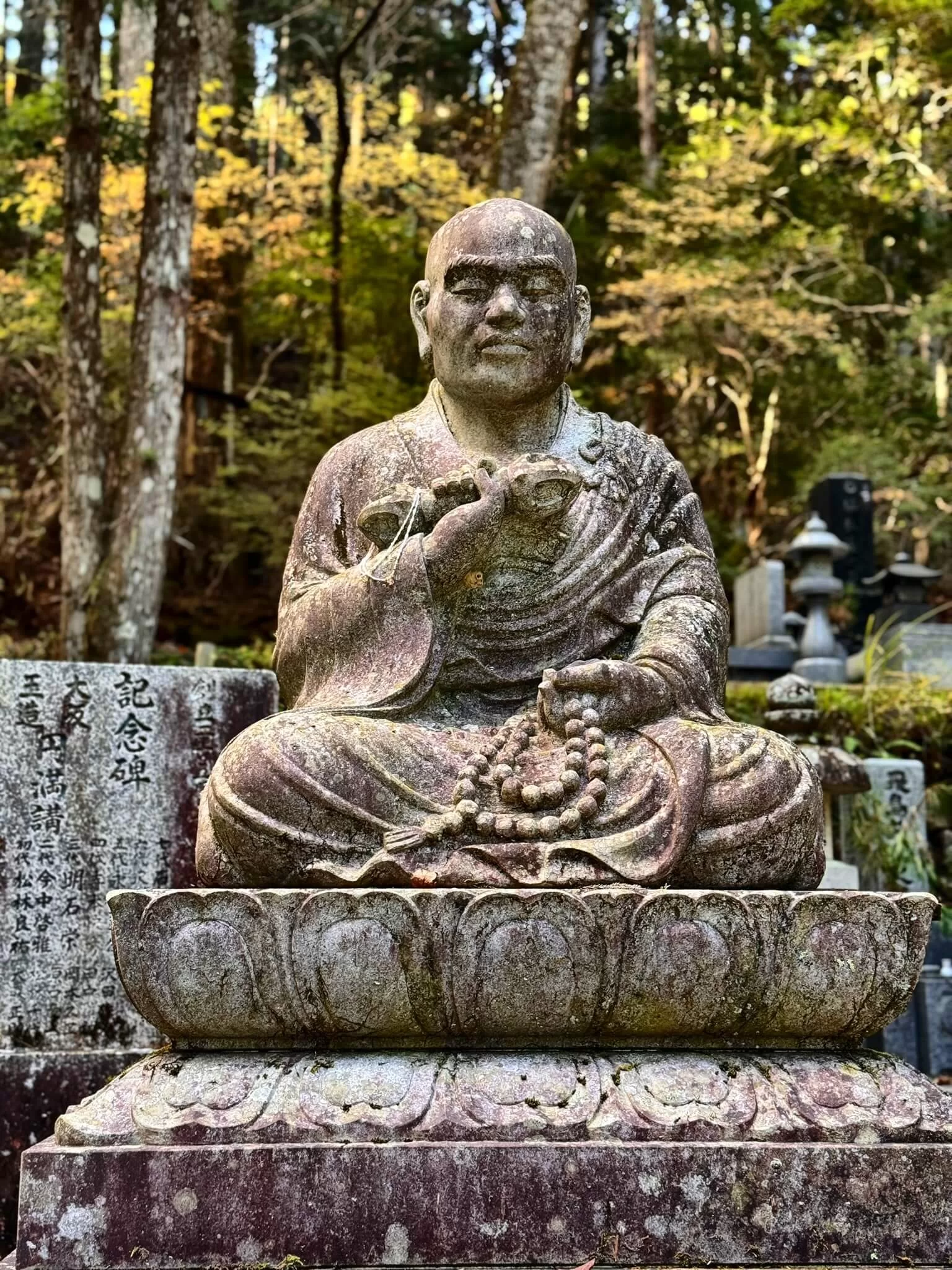
Staying at a Buddhist Temple in Koyasan: What It Was Actually Like
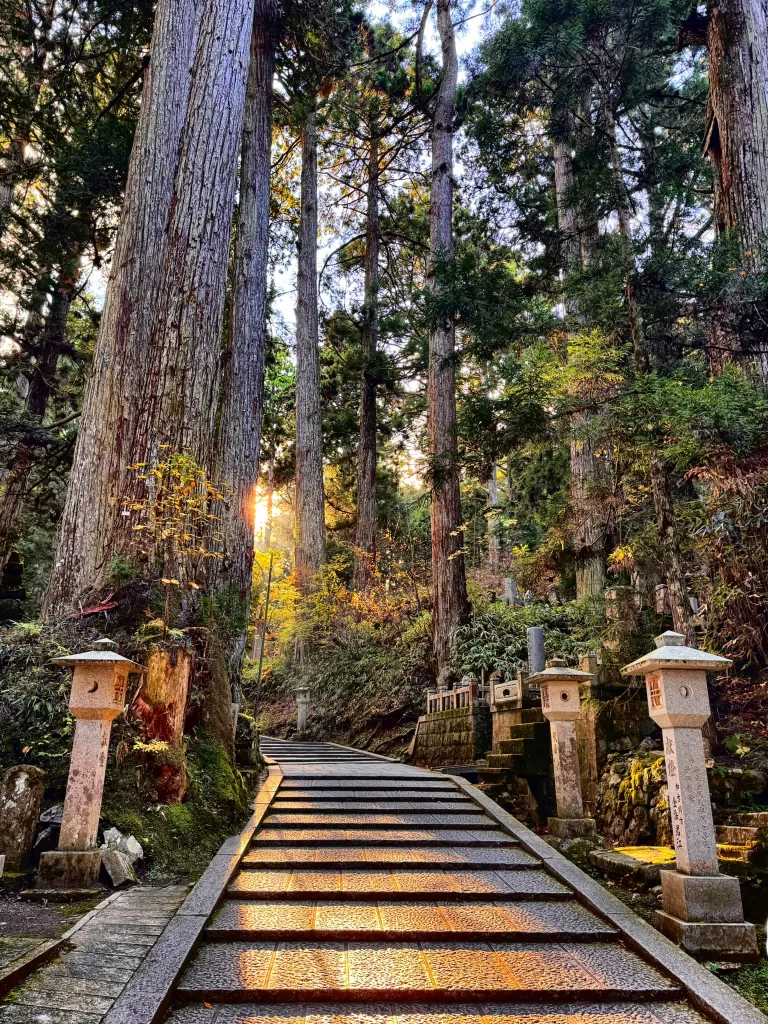
Koyasan wasn’t on our original Japan itinerary.
Osaka was. It’s part of the typical route, and when you’re planning your first trip, it’s easy to feel like you’re supposed to hit all the major stops. But the deeper I got into planning, the more Osaka started to feel like another big city on a trip that already had plenty of city energy built in. We’re much more drawn to nature, culture, and experiences than checking off urban stops just because they’re popular.
Somewhere in the middle of planning, someone in a travel group mentioned Koyasan. A mountain town. A temple stay. A completely different pace from Tokyo and Kyoto. It sounded interesting, but also a little out of the way and a lot more expensive than a typical overnight.
Still, it stuck in my mind. And eventually, we swapped Osaka for a one-night stay in Koyasan instead.
I’m really glad we did.
Why We Added Koyasan to the Trip
By the time we were mapping out our route, we knew we didn’t want to move cities every other day just to say we’d been somewhere. We were already starting and ending in Tokyo and spending several nights in Kyoto. Adding another large city didn’t feel like it would add much contrast.
Koyasan, on the other hand, felt completely different.
It offered something slower. More immersive. A chance to experience a part of Japan that wasn’t centered around crowds, shopping streets, or train stations. We tend to build trips around experiences rather than just destinations, and staying overnight at a Buddhist temple definitely qualified.
It also meant accepting that this wouldn’t be the easiest stop logistically. Getting there requires some planning, and the overnight temple stays aren’t cheap. But if we were going to try something like this, it felt like the right trip to do it.
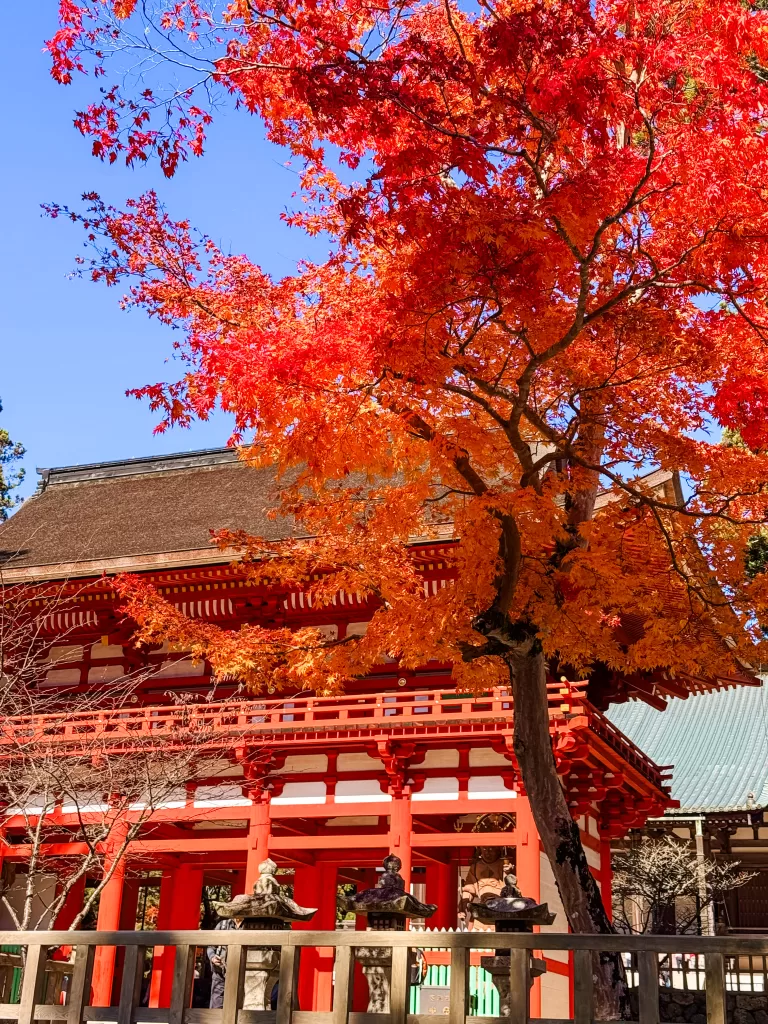
Getting There
Koyasan isn’t the kind of place you just pass through on the way to somewhere else. It takes intention to get there.
We opted to hire a private driver from Kyoto. It wasn’t the budget option, but at that point in the trip, it felt like the smoothest choice. I was still getting comfortable with the train system, and the idea of navigating multiple transfers with luggage for a one-night stay didn’t sound appealing. The driver made the entire process simple and stress-free, and we were able to enjoy the changing scenery on the way up into the mountains.
Would I do it the same way again? Maybe not. Now that I’ve experienced Japan’s train system, I’d probably try the train route next time just to save money. But for a first visit, the private transport made the transition from Kyoto to Koyasan feel calm and easy.
First Impressions of Koyasan
The shift from Kyoto to Koyasan was immediate.
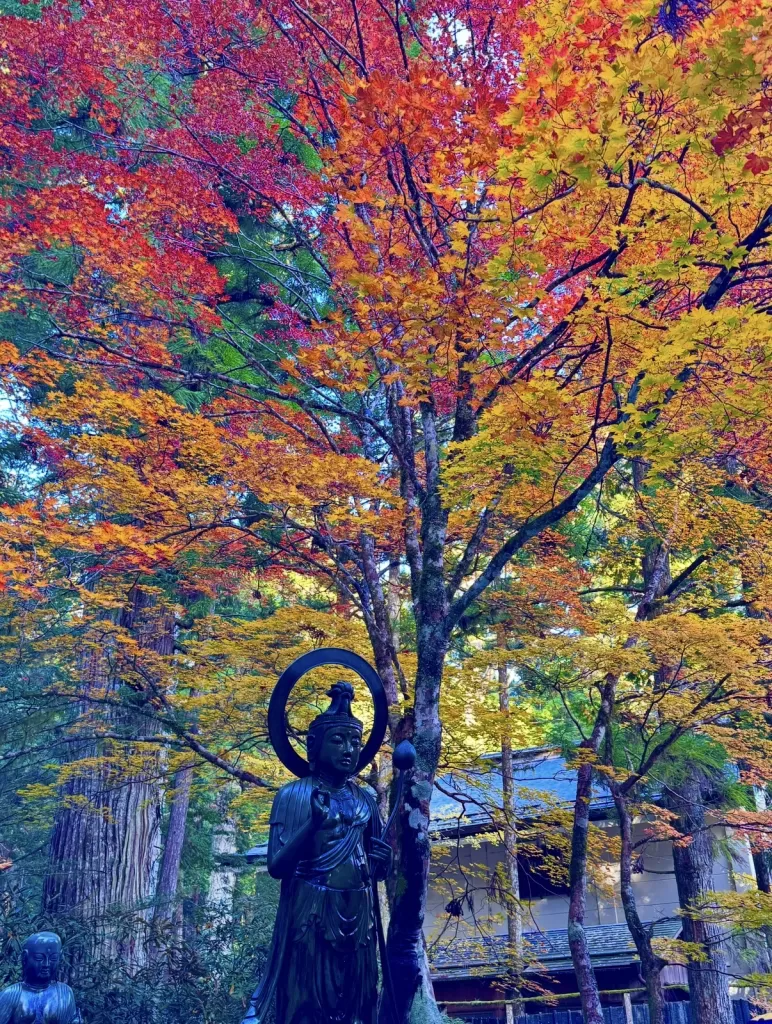
The air felt cooler. The streets were quiet. Everything moved at a slower pace. After days of navigating busy train stations and crowded neighborhoods, arriving in a small mountain town where things felt peaceful and orderly was a noticeable change.
It’s clean. Calm. Quiet in a way that feels intentional rather than empty.
There’s not a lot of noise, not a lot of rush, and not a lot competing for your attention. It’s the kind of place that encourages you to slow down whether you planned to or not.
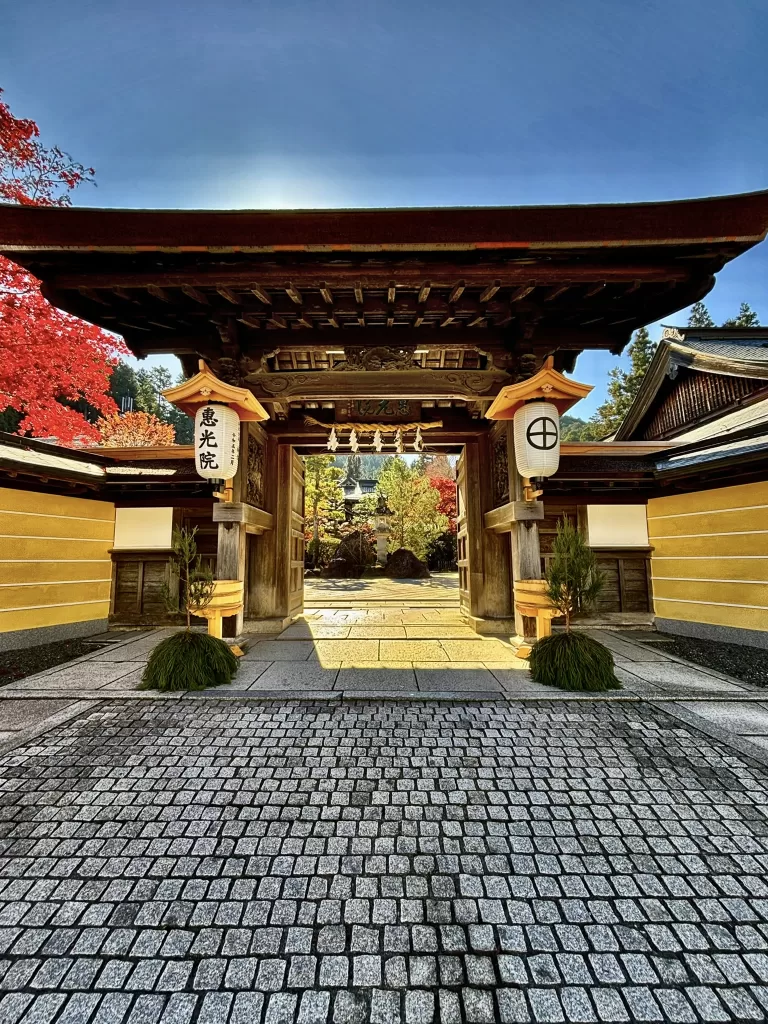
Our Temple Stay at Ekoin
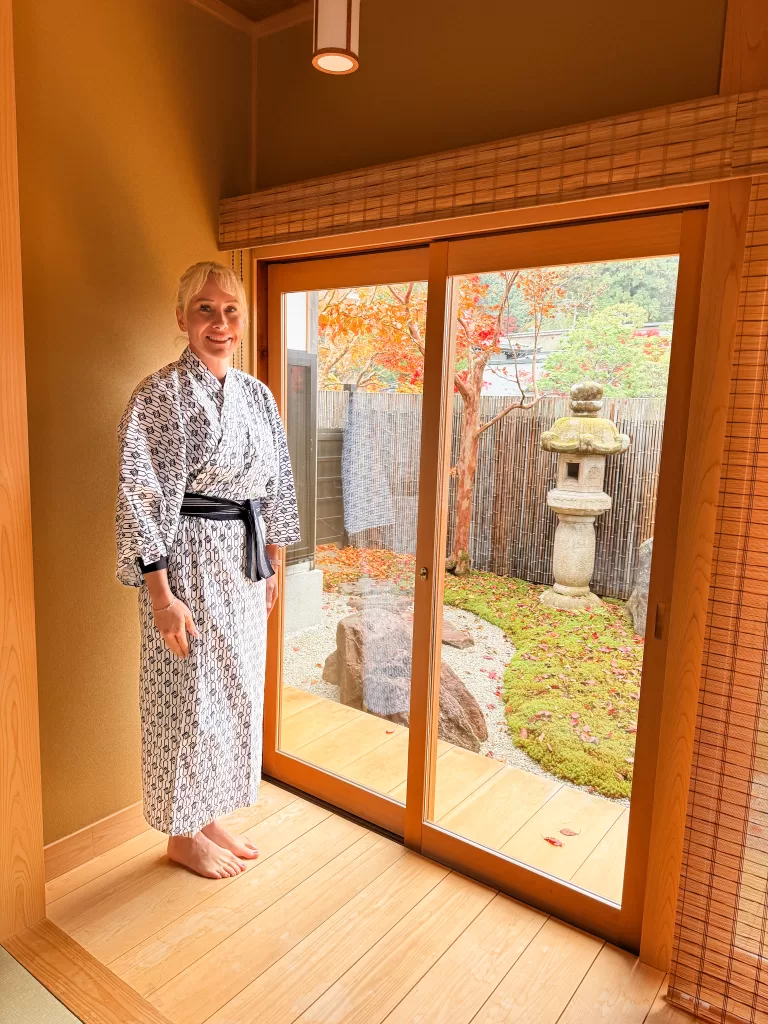
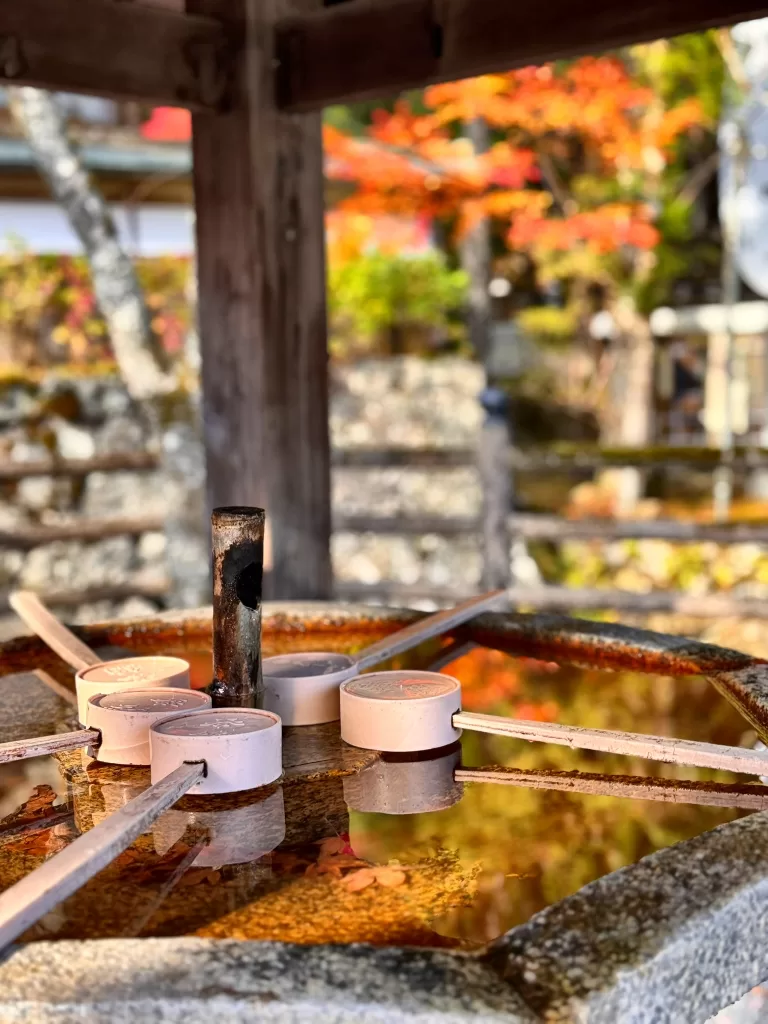
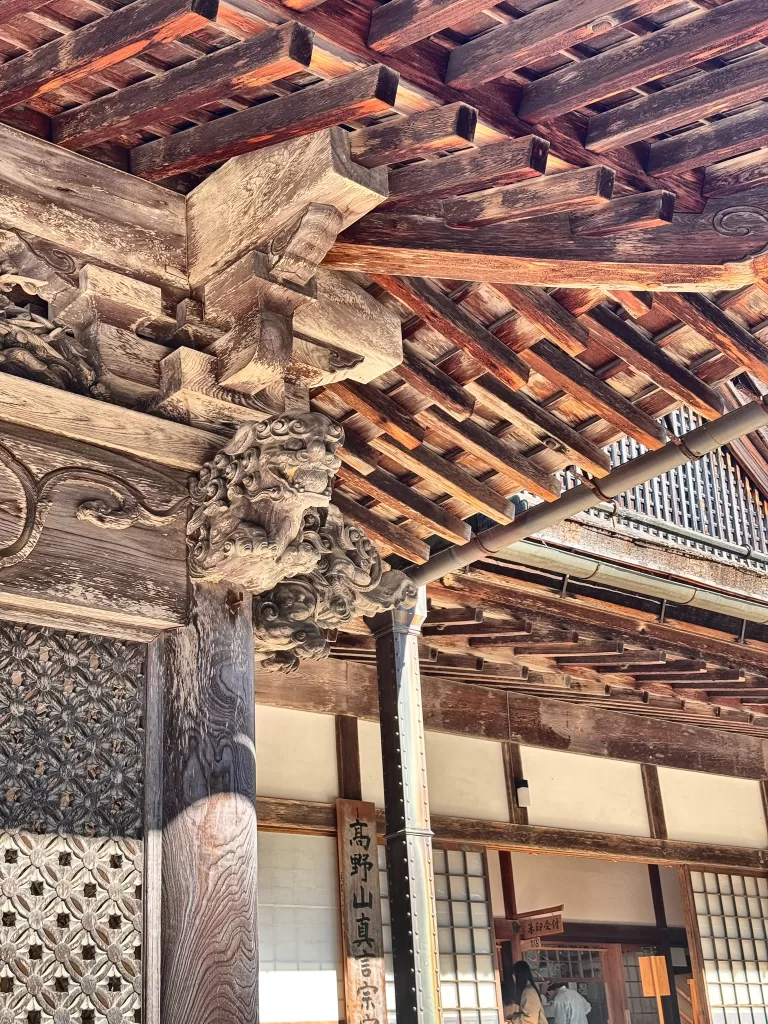
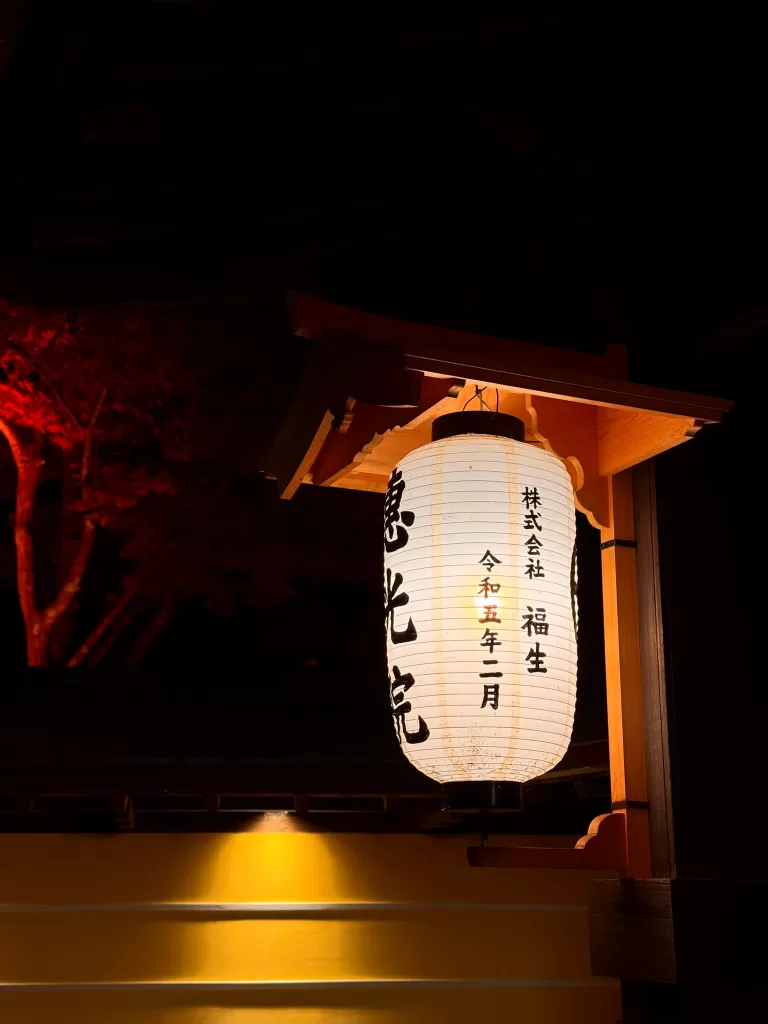
We stayed at Ekoin, one of the temple lodgings in Koyasan that offers overnight accommodations for visitors. From the moment we arrived, everything felt calm and structured.
The person who greeted us was a monk in training who walked us through the schedule for the stay, explained the meals, and showed us around. The way he spoke was incredibly calming — slow, clear, and patient. It set the tone immediately. Nothing felt rushed. Nothing felt chaotic. It was all very intentional.
The monks themselves were mostly silent. We didn’t have conversations with them in the way you might expect in a traditional lodging setting. Instead, there was a quiet understanding of how things worked and where to be.
That silence actually added to the experience. It made the stay feel immersive rather than performative.
The Meals
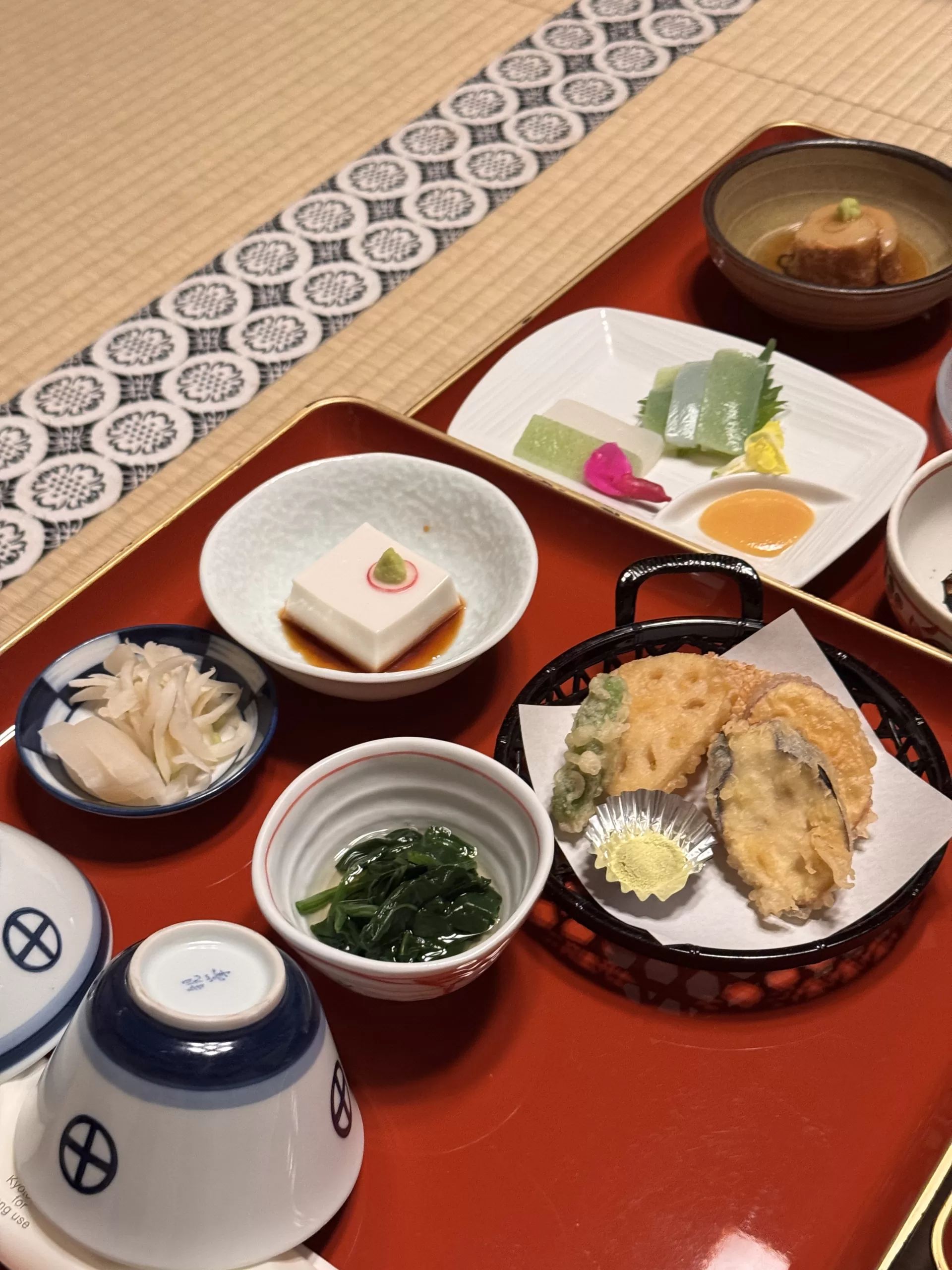
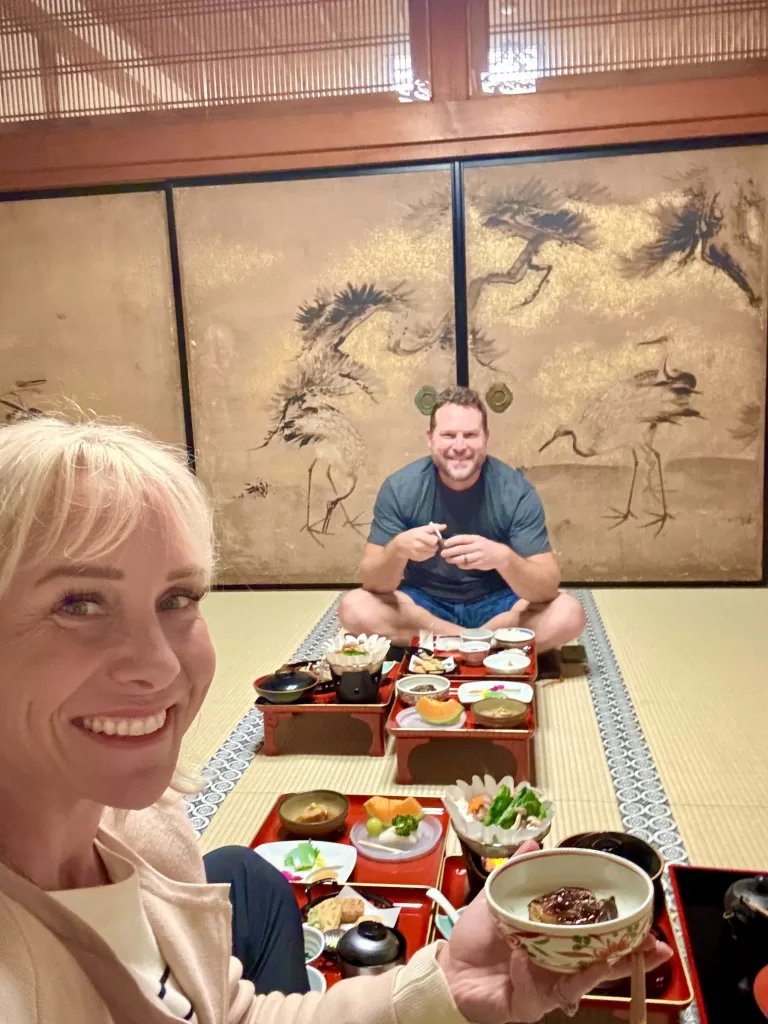
Dinner and breakfast were both traditional temple meals, fully vegan and very different from what we were used to. Some of the dishes were familiar in flavor, but many had textures and ingredients that felt completely new to us. It wasn’t the kind of meal you’d order in a restaurant at home, and that’s exactly the point.
Eric described it best: educational.
We knew we were experiencing something outside our normal reality, and that made this very special for both of us.
Morning Prayer and Fire Ritual
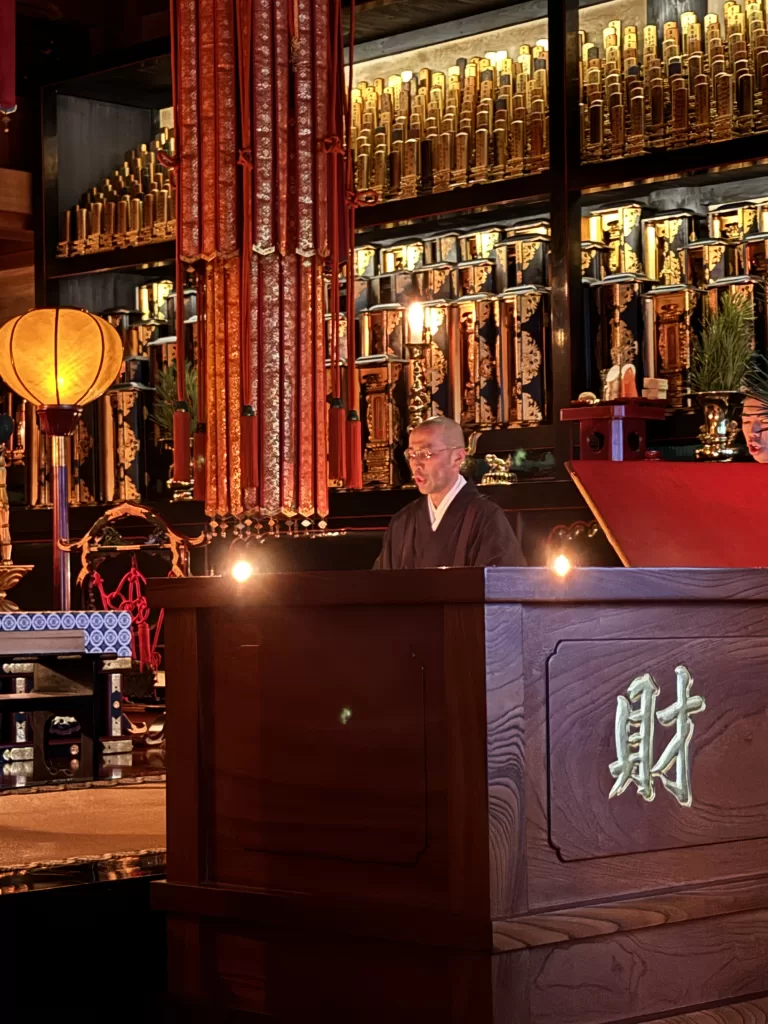
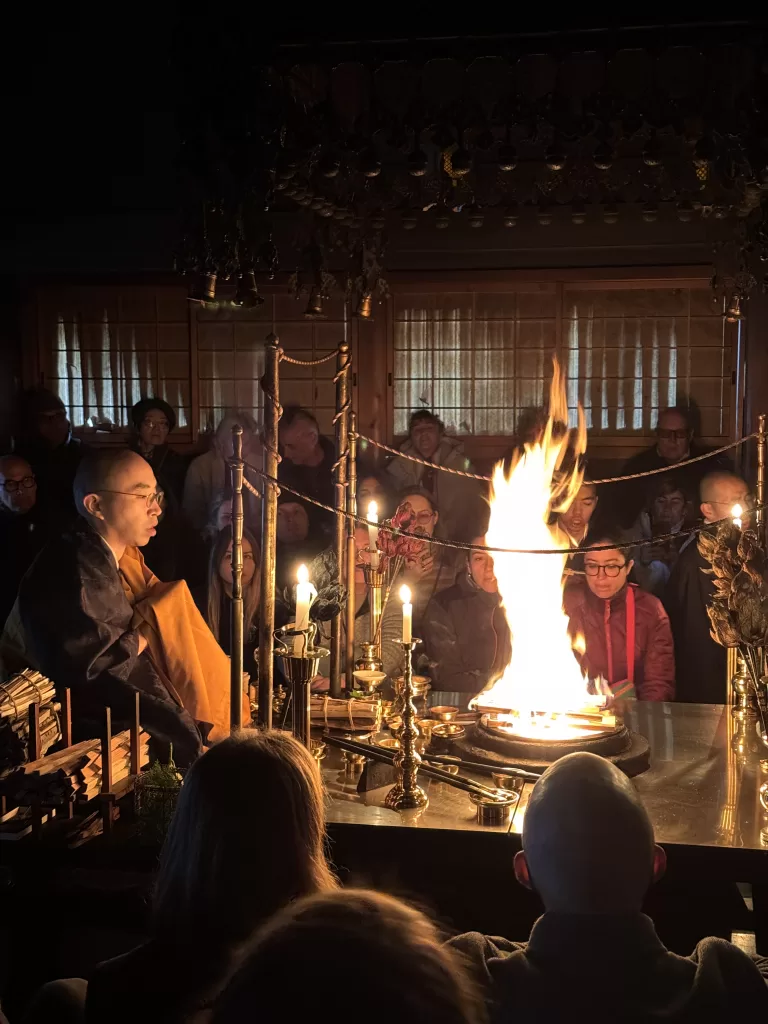
Guests are invited to attend the morning prayer, and it was one of the most memorable parts of the stay. Sitting quietly while the monks chanted and moved through the ritual was peaceful in a way that’s hard to describe without sounding overly dramatic. It wasn’t flashy or emotional — just calm and steady.
Later, there was a fire ritual where you could write your prayers on a wooden stick. The head monk offered them up during the ceremony, and that small act made the experience feel personal without feeling forced.
None of it felt like a performance for tourists. It felt like being allowed to quietly observe something that would have happened whether we were there or not.
Was It Worth It?
Yes. Absolutely worth doing once.
It was expensive, especially with the private driver added in. It was also different from anything we’ve ever done while traveling. Staying overnight at a Buddhist temple in a mountain town is not a typical vacation experience, and that’s exactly why it stands out.
That said, it’s not something I feel the need to repeat. I’m really glad we did it, but once was enough. If we return to Japan, I’d be more likely to try a ryokan stay somewhere else or explore another mountain area rather than repeat the exact same experience.
Still, I wouldn’t remove Koyasan from this trip. It added a layer of calm and contrast that balanced out the faster pace of Tokyo and Kyoto.
Would I Do Anything Differently?
If we went back to Koyasan, I’d probably try navigating the trains instead of hiring a driver. Now that I’ve experienced Japan’s transit system firsthand, I’d feel more confident attempting the route and saving some money.
Other than that, I wouldn’t change much. The overnight stay felt like the right amount of time. Long enough to experience the temple and the town, but not so long that it slowed the trip down too much.
How It Fit Into Our Trip
Swapping Osaka for Koyasan changed the tone of the entire trip. It added contrast. It added a slower moment in the middle of a busy itinerary. And it gave us an experience that felt completely different from the rest of our stops.
Not every itinerary needs Koyasan. It takes time to get there, and it’s not a budget stop. But if you’re building a trip around cultural experiences and you’re willing to move at a slightly slower pace, it can be a really memorable addition.
For us, it ended up being one of those decisions that almost didn’t happen — and then became one of the things we talked about most afterward.
Final Thoughts
I almost skipped Koyasan because it didn’t feel convenient. It wasn’t directly on the route, it required extra planning, and it added cost to the trip.
But it also gave us one of the calmest, most immersive experiences of the entire two weeks.
Not because it was flashy or packed with activities, but because it was so different from everything else. It slowed the trip down in the best way and reminded me that sometimes the most memorable parts of a trip are the ones that don’t look the most efficient on paper.
If you’re building a Japan itinerary and trying to decide whether to add something like this, the real question isn’t whether it’s easy to get to. It’s whether the experience fits the kind of trip you want to have. If you need help planning, let me know! That’s what I do!

Disclaimer: This post may contain affiliate links. If you make a purchase from one of them, I may receive a small commission at no extra cost to you.