How I Planned a Trip to Japan Without Completely Overwhelming Myself
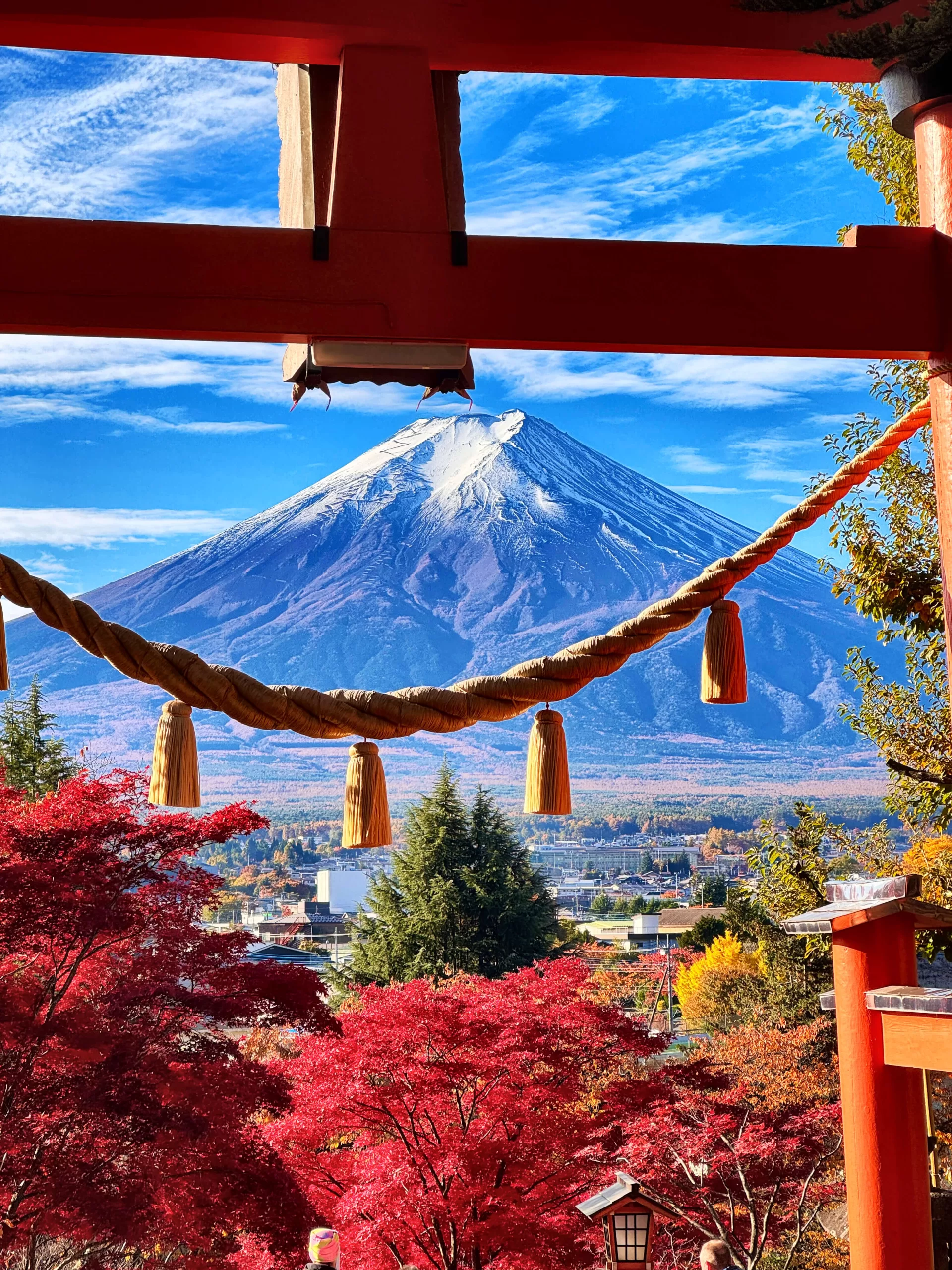
Mt. Fuji
I had a list for Japan that was about three trips long.
That’s not an exaggeration. Every time I saved something — a shrine, a market, a neighborhood, a food spot — the list just kept growing. It became obvious pretty quickly that there was no version of this trip where I would see everything. Once I accepted that, planning got easier.
We went for two weeks in November for our first trip. Fall colors, cooler weather, and way too many places I thought we “should” see. At one point I was staring at my notes thinking, this is impossible. I had far more saved than any human could fit into fourteen days without turning the trip into a blur.
That’s when I stopped asking, “How do I see everything?” and started asking, “How do I want this trip to feel?”
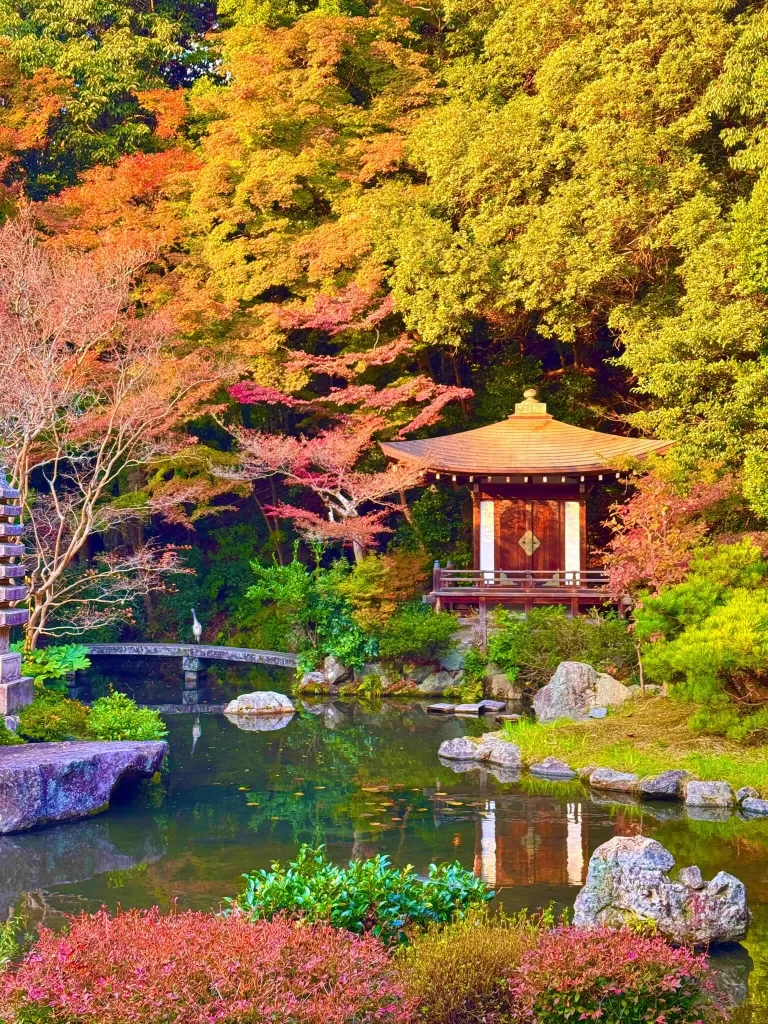
Bishamondo Temple
For us, the answer was intentional. Cultural. Not rushed. I didn’t want to sprint from temple to temple all day and collapse at night wondering what we actually experienced. The biggest mistake I wanted to avoid was overplanning every hour. And really, that’s the mistake I see most people make with Japan. They stack too many stops into each day and underestimate how much walking and transit time everything takes. Japan is incredible, but if you plan it like a checklist, you’ll feel like you survived it instead of enjoyed it.
Once I knew the feeling we were aiming for, the route got clearer.
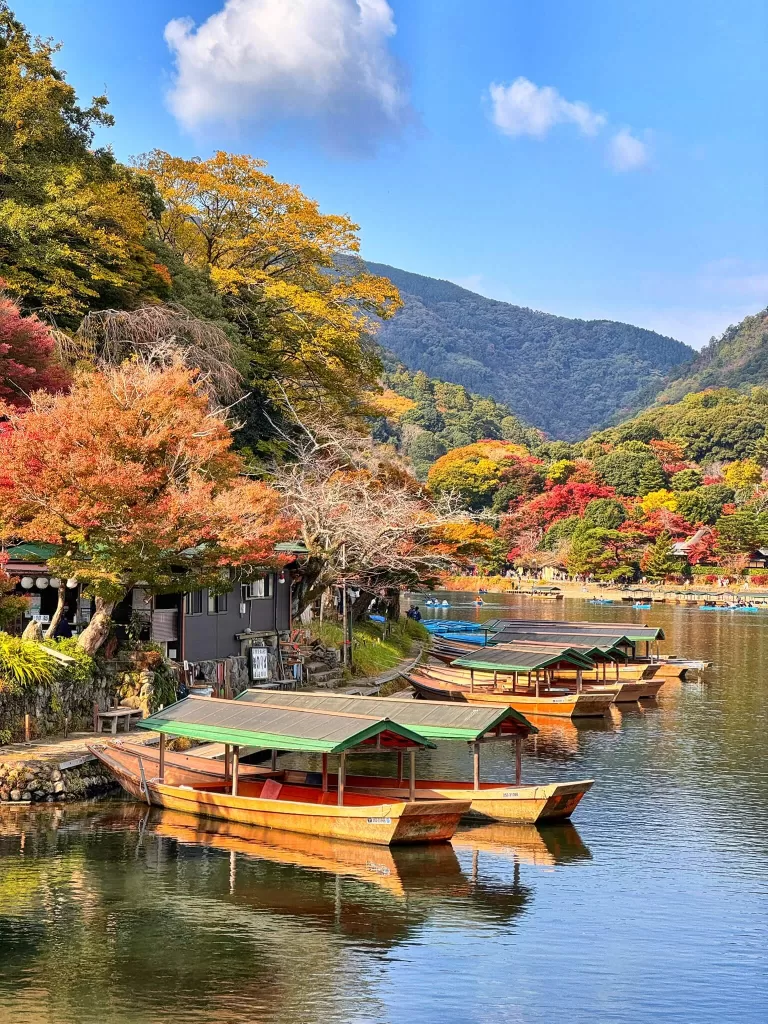
Hozugawa River
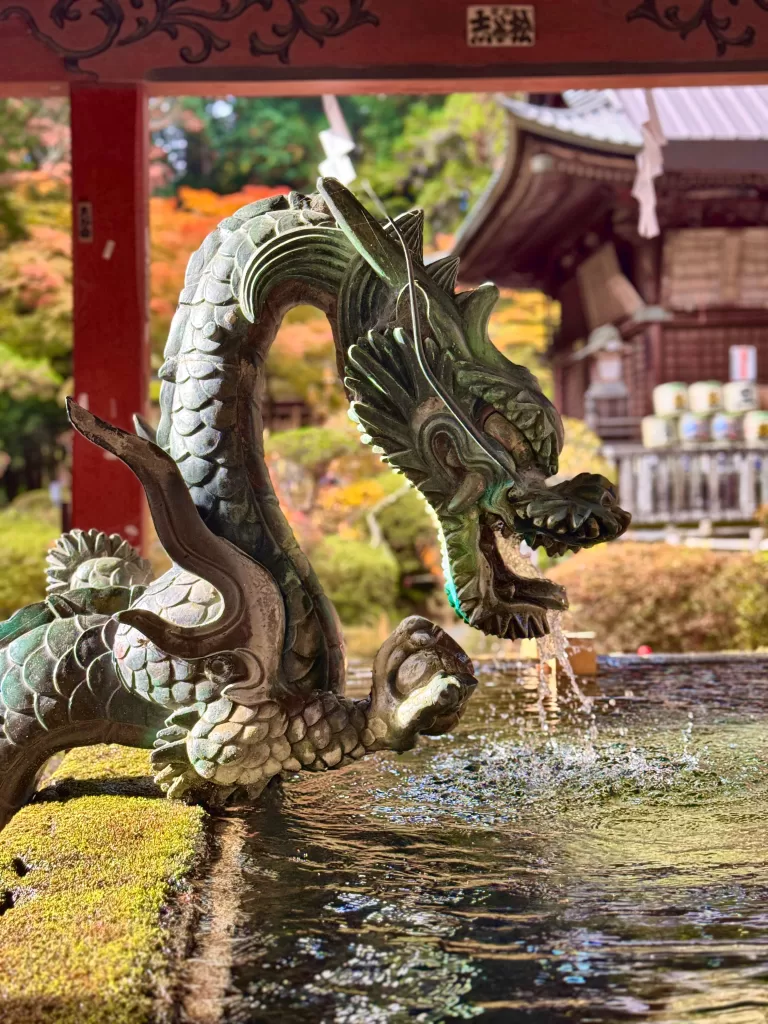
Kitaguchi Hongu Fuji Sengen Shrine
We started in Tokyo, spent the bulk of the trip based in Kyoto, did an overnight in Koyasan, added a few nights in Okinawa, and ended back in Tokyo. Osaka was originally on my list, but the deeper I got into planning, the more it felt like another big city stop we didn’t need. We’re more drawn to nature and cultural experiences than city hopping, so we stayed longer in Kyoto instead. That decision eventually led to one of our favorite experiences: an overnight stay at a Buddhist temple in Koyasan.
The single most helpful thing I did during planning was build everything out in Google My Maps. About three weeks before we left, I pinned every place we wanted to go — temples, markets, neighborhoods, train stations. Seeing it all visually changed everything. It showed me what could realistically be done in one day and what absolutely could not. Some stops that looked close on a list were nowhere near each other once mapped.
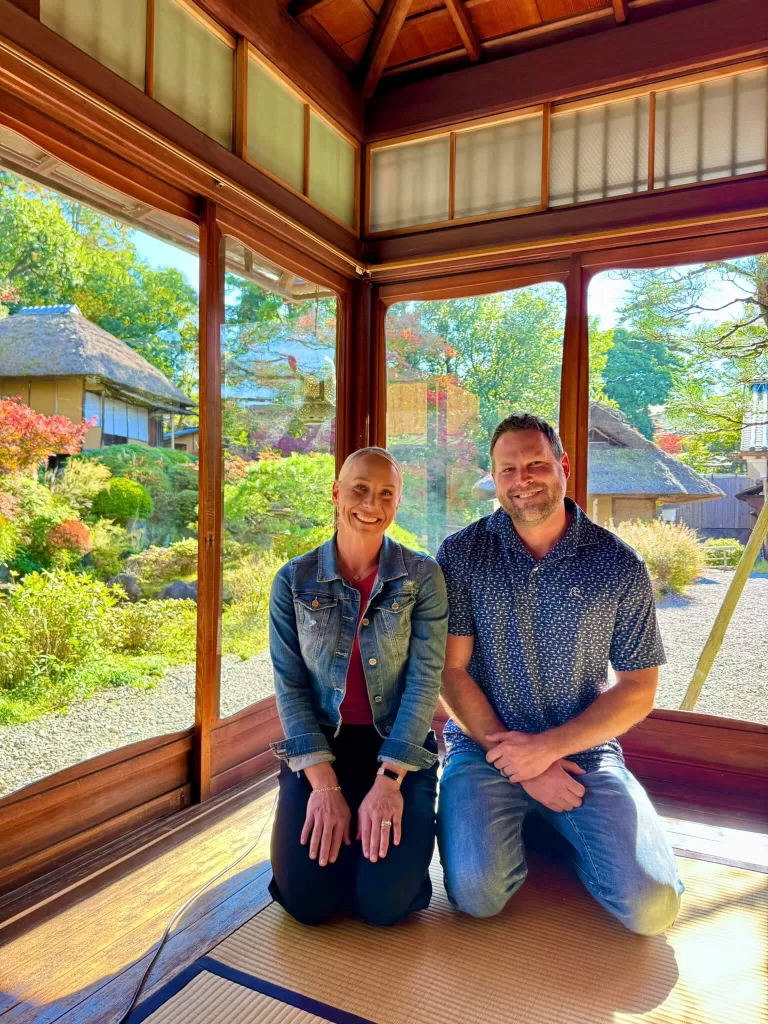
Traditional Tea Ceremony in Kyoto
That mapping phase is what kept this trip from feeling chaotic. It helped me group days logically so we weren’t zigzagging across cities and exhausting ourselves.
Transportation was the other piece that felt intimidating before we left. Everyone says the train system is easy, but very few explain what it feels like to walk into a massive station in Tokyo and try to find the right platform. We gave ourselves plenty of time for our first shinkansen departure because I knew I didn’t fully understand the layout yet. Once we figured it out, it was fine. But building in that extra time made a huge difference in stress levels.
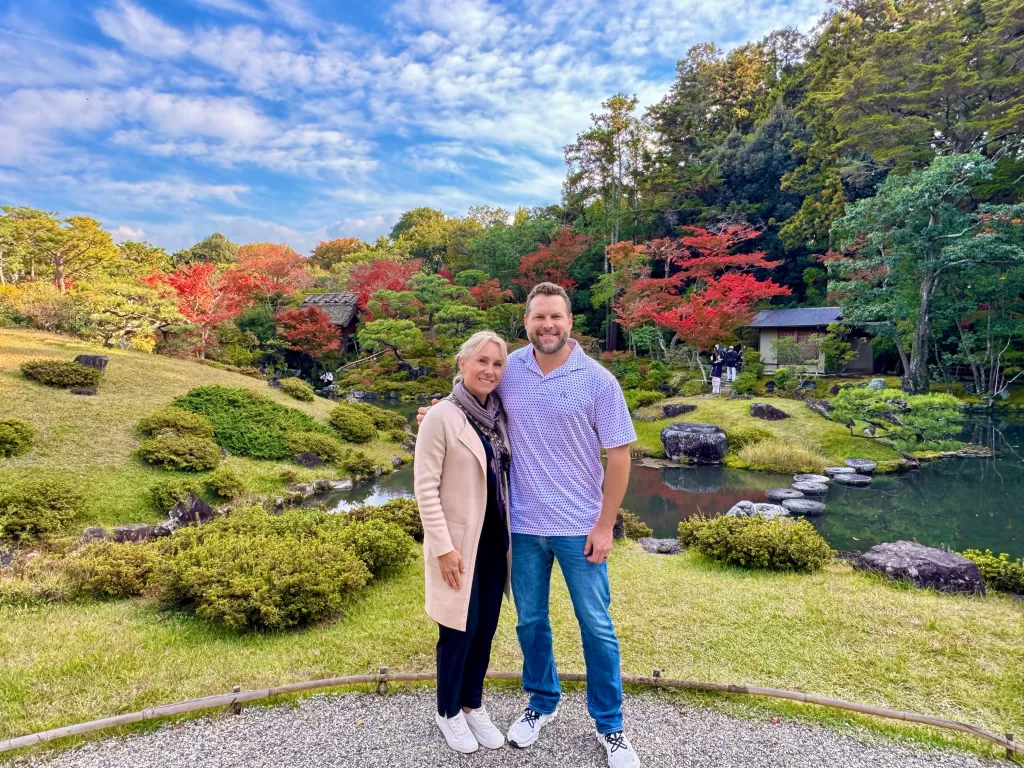
Insuien Garden in Nara
We also skipped the rail pass after doing the math. It didn’t make sense for our route. Local trains are inexpensive, and we were only taking the shinkansen once. I think a lot of people overbuy passes because they assume they need them.
A few other realities: Tokyo hotel rooms are tiny, packing light matters more than you think, and you will walk a lot. We’re early risers, which is funny in Japan because not much opens early. Convenience stores became our go-to for coffee and snacks before starting the day. By the time most places opened, we had already logged thousands of steps.
One of the best decisions we made was staying longer in Kyoto instead of bouncing around constantly. Having a home base made the middle of the trip feel calmer. From there, we did the overnight to Koyasan and stopped in Nara on the way back. It was a good balance of movement and stability.
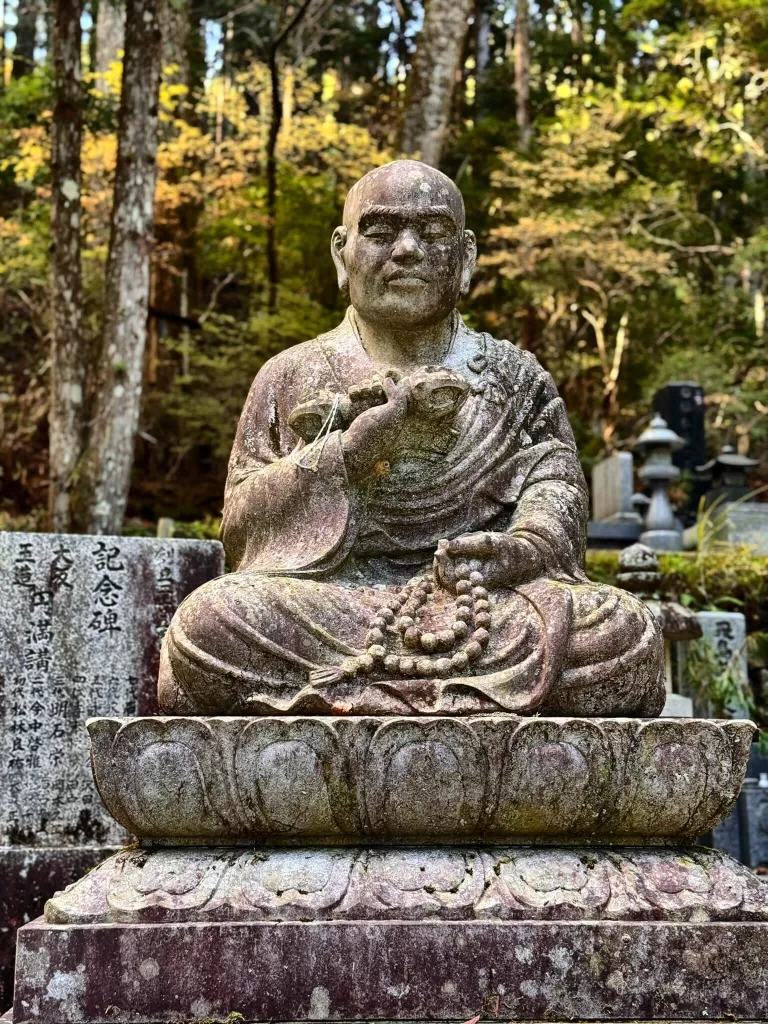
Koyasan ended up being one of the most memorable parts of the trip. Staying at a Buddhist temple isn’t something most people get to do. It was expensive, partly because we opted for a private driver instead of navigating multiple trains. At the time, that choice made the experience smoother. Now that I’ve done it once, I’d probably use the train system next time and save the money. But I don’t regret it.
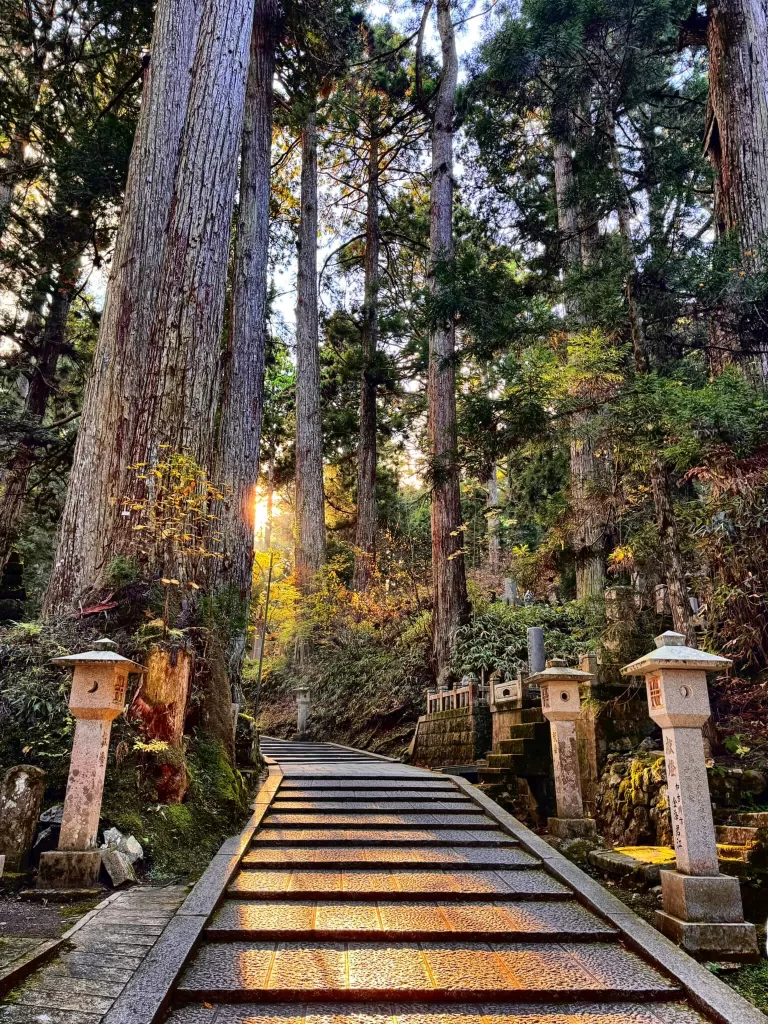
Okuno-in Cemetery
Looking back, the biggest thing that made this trip work was planning ahead and then giving ourselves room within that plan. Flights were booked about seven months out. Once those were set, I had time to map everything, adjust, and build days that flowed well instead of feeling crammed.
If I went back tomorrow, I’d pack lighter, spend a few more nights in Tokyo for the food scene, and explore somewhere off the typical route — maybe a mountain town or a ryokan stay. Now that I’ve seen many of the “must-see” spots, a return trip could feel more like living there instead of trying to see it all.
If you’re planning your first trip to Japan and feeling overwhelmed, that’s normal. There’s a lot you could do. But you don’t need to do everything. Decide how you want the trip to feel, map your priorities, and build from there.
That’s how you experience Japan without turning it into a sprint.
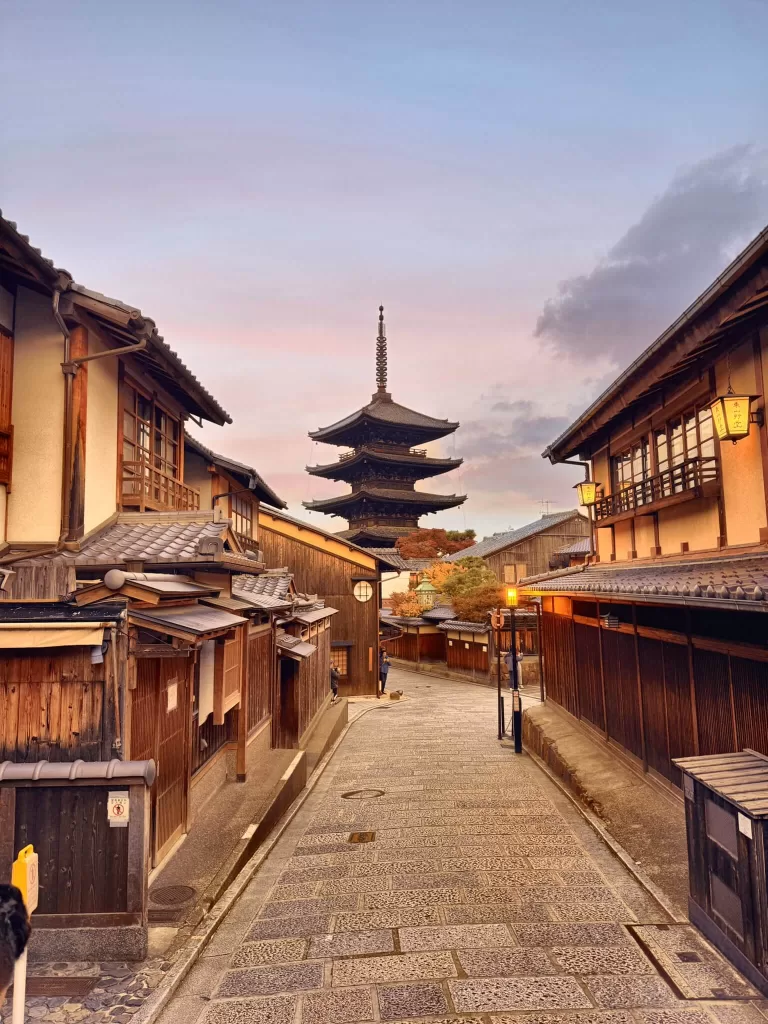
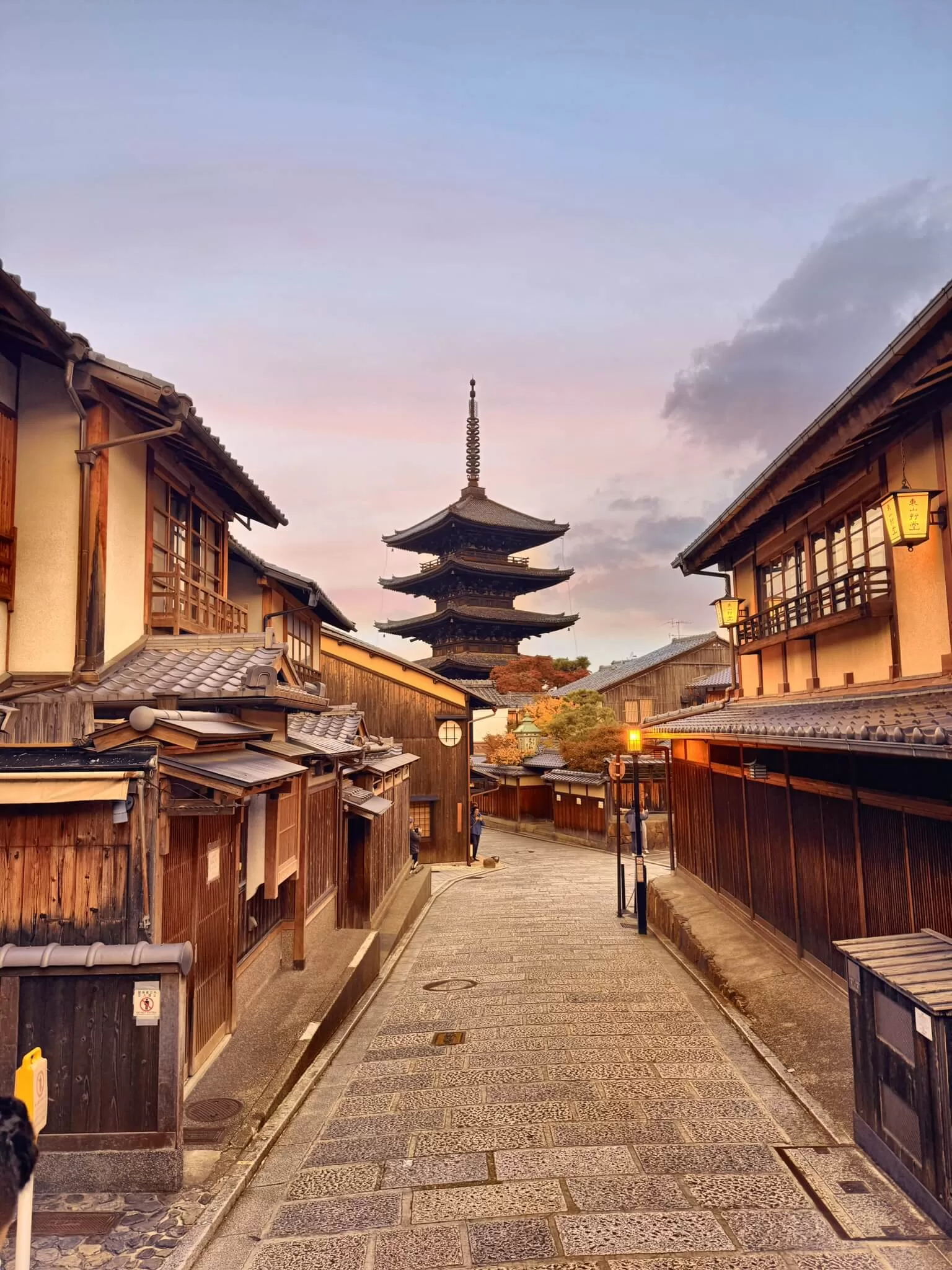
Hanamikoji Street in Kyoto
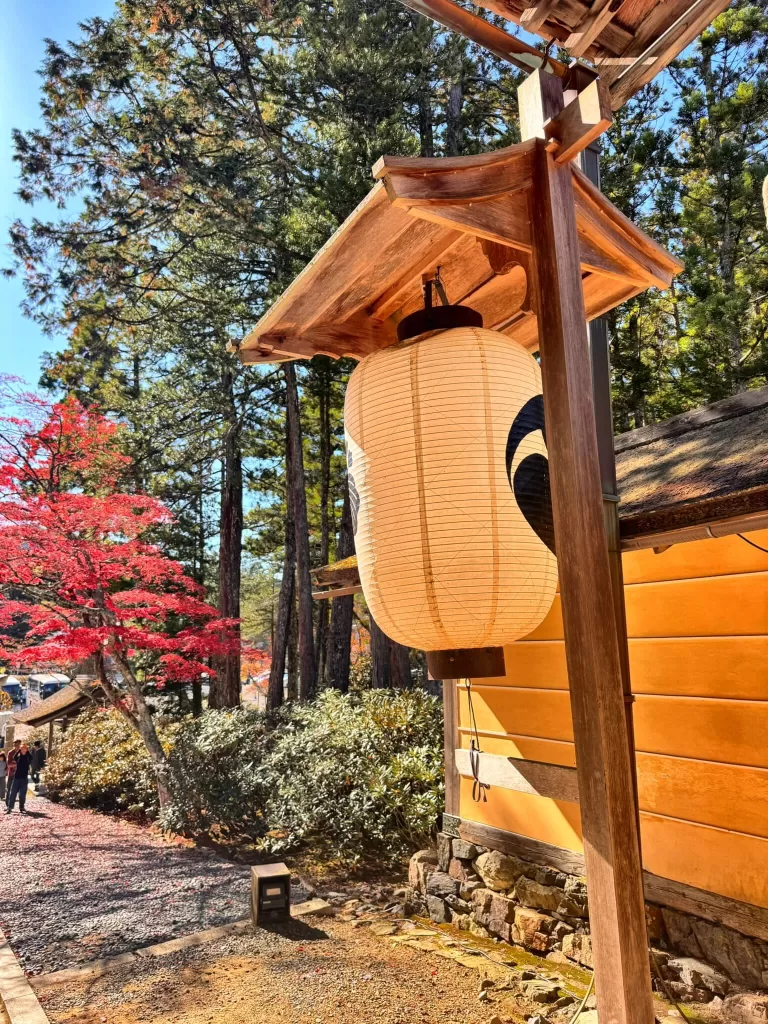
Paper Lantern in Koyasan
If you’re planning Japan and your notes app is starting to look like a second job, you’re not alone. Mine did too. There’s a lot you could see, a lot you’ll be told you should see, and a lot that will look doable on paper until you actually map it out. The shift for me was realizing I didn’t need to do everything in one trip. Once I focused on pacing, mapped the stops that mattered most, and built the days around how we actually like to travel, the overwhelm settled down and the trip started to feel like ours instead of a checklist. We didn’t see everything, and that ended up being exactly why we loved it. Japan isn’t a one-and-done destination anyway. It’s the kind of place you experience a little at a time — and then start thinking about when you can go back before you’ve even unpacked.
Want more tips for planning bucket list trips? Need help with flights and accommodations? That’s literally what I do. 😎 Send me a message if you want me to put a trip together for you.
Disclaimer: This post may contain affiliate links. If you make a purchase from one of them, I may receive a small commission at no extra cost to you.